
The Fraud Detection Gap: Why Financial Institutions Need a Better Way to Notify Customers

July 27, 2026
Have you ever received a fraud alert from your bank hours — or even days — after the suspicious transaction occurred, and wondered why they didn’t notify you sooner?
That's the problem many financial institutions face today. Their fraud detection systems are often highly sophisticated, capable of identifying suspicious activity in seconds. Yet customers may not be notified until much later. That's a costly delay for both financial organizations and their customers.
Fraud is growing faster than traditional response models
The fraud landscape continues to evolve at an alarming pace, with no signs of slowing down. More than two-thirds of financial institutions reported an increase in consumer account fraud attempts over the past year, while account takeover attacks and AI-enabled fraud continue to accelerate.
The bad guys are getting smarter and more sophisticated. They’re using AI-powered scams, account takeover attacks, synthetic identities, and increasingly convincing phishing schemes that can bypass traditional security controls.
Fortunately, the good guys are also getting smarter. Financial institutions recognize these threats and are using sophisticated analytics, machine learning models, and risk engines to identify suspicious activity faster than ever before.
But that’s not enough. Many financial organizations still struggle with a critical weakness: communicating with customers quickly enough after fraud is detected. The challenge isn't identifying suspicious activity - it's responding quickly enough to prevent additional damage.
In many cases, the fraud system identifies a suspicious transaction within seconds. The customer, however, may not learn about it for hours — or longer. During that gap, fraudulent activity can continue, losses can accumulate, and customer trust can erode.
As fraud becomes more sophisticated and more costly, financial institutions need to rethink not only how they detect fraud, but how they communicate with customers when fraud occurs.
The right outbound solution can help financial services organizations communicate with their customers faster, proactively, on the right channels, closing the gap between when the system knows something is wrong and when the customer finds out.
The cost of waiting
The impact of fraud goes far beyond the dollar value of the fraudulent transaction itself.
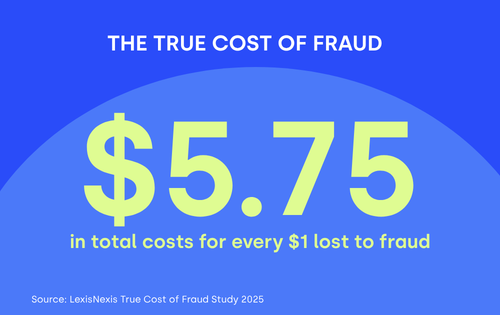
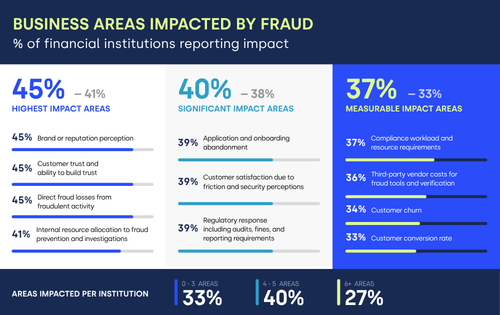
Here’s a data point that should grab your attention — financial institutions incur an average of $5.75 in total costs for every $1 lost to fraud, according to LexisNexis Risk Solutions. That means if a bank’s annual fraud losses are $10 million, the true economic impact is $50 million. Investigation expenses, recovery efforts, compliance activities, legal costs, and customer service resources all add up quickly – in addition to the impacts on customer trust, brand reputation and customer churn.
3 places where financial organizations are losing the fraud notification battle
The faster a financial institution can notify customers and verify suspicious activity, the smaller the window of opportunity for fraudsters. Unfortunately, that's where many organizations struggle.
1. Detection without communication
One of the most common issues facing financial institutions today is what could be called "detection without communication."
A fraud alert may be generated in seconds, but the alert doesn't immediately trigger customer outreach, and customer notification can take hours. Many financial institutions still rely on manual processes to initiate customer outreach after fraud is detected. Teams must review alerts, build contact lists, launch campaigns, or initiate outbound calls. This takes time and causes costly delays.
During that time between the fraud detection and customer notification, the fraudsters may be on a shopping spree — with the customer and/or bank picking up the tab. The difference between notifying a customer within seconds versus hours can create significant financial loss, while negatively impacting customer satisfaction.
2. Going beyond voice calls
How often do you answer calls from unrecognized or identified numbers? Probably not very often. Many banks still rely heavily on outbound phone calls as their primary fraud notification method. But customers increasingly ignore calls from unknown numbers. Even when consumers answer the phone, they may refuse to engage because they suspect the call itself is fraudulent. When a legitimate bank agent calls to verify fraud and asks for verification information, most customers simply suspect a scam and hang up.
This creates a perfect storm for financial institutions:
Resolution times increase
Fraud losses continue to accumulate
Customer frustration grows
Right-party connect rates on cold outbound calls have dropped below 20% in many institutions, while SMS has a 98% open rate. If you are only calling, you are reaching less than one in five customers.
Effective fraud communication needs to extend beyond voice to include reaching customers through the channels they actually use and trust, while maintaining a consistent experience across every touchpoint.
3. High-volume breaches
Fraud events don't always happen one customer at a time. A card processor breach, phishing campaign, or large-scale compromise may require thousands of customers to be notified within hours. At the same time, financial institutions must comply with TCPA requirements, Do Not Call restrictions, consent management rules, calling-hour regulations, and other requirements.
Manual processes that seem manageable during normal operations may become unsustainable during high-volume events, creating both operational and compliance risk.
Fraud communication is now a customer experience issue
Customers expect their financial institution to not just detect fraud, but to protect them from fraudsters.
The good news is that proactive, personalized communication doesn’t just help prevent fraud but enhance trust and improve customer relationships.
The financial services organizations that support the best fraud experience are the ones that can provide fraud detection along with intelligent customer engagement.
What financial institutions should be thinking about
As fraud threats continue to evolve, financial institutions should consider several key questions:
How quickly can customers be notified after fraud is detected, and on which channels?
Are fraud alerts triggering communications automatically or through manual processes?
Can communications scale during a major fraud event or breach?
Are compliance controls built directly into outreach workflows?
Do teams have visibility into who responded, which channels worked, and which customers remain at risk?
The answers determine how effectively a financial institution can reduce fraud losses, maintain compliance, and protect customer trust.
Join our upcoming webinar
To explore these challenges in greater depth, I’ll be hosting a webinar, "Stopping Fraud Before It Stops You: How Financial Services Leaders Are Winning the Fight."
Along with Manu Yegnaraman of Five9, we'll examine where financial institutions are struggling with outbound fraud communications, how modern engagement strategies can help close the gap between fraud detection and customer notification, and how Five9 Advanced Campaign Manager (ACM) helps financial institutions automate proactive fraud communications across voice, SMS, email, and mobile channels while supporting compliance requirements and improving customer engagement.
What you'll learn
Why the detection-to-notification gap has become a major business risk
The most common breakdowns in outbound fraud communications
How leading institutions are addressing customer trust and scam concerns
Best practices for scaling fraud notifications while maintaining compliance
How automation and omnichannel engagement can improve fraud response and customer experience
Fraud detection identifies the threat, while timely communication helps stop the damage. The financial organizations that excel at both will be best positioned to reduce losses, strengthen customer trust, and stay ahead of an increasingly sophisticated fraud landscape.